


From ideas to innovation: Creative Media enabling young people to solve real world challenges

BY: Guest Writer
14 Sept 2026
Reading time:
5 mins


This week, we hear from Ade Ikoli, Head of Creative Media and Creative Technologies at Trinity Champion Centre, Hopewell School in Dagenham who explains how their students are developing creative skills through technology; enabling them to have a voice to help shape the future.
Hopewell School is an independent special school in Dagenham providing tailored education and therapeutic support for children and young people with Social, Emotional, and Mental Health (SEMH) needs, as well as additional learning challenges.
Creative Media is more than a subject at Hopewell; it is a way for students to explore ideas, develop their creativity, and use technology to create something meaningful.
In a rapidly changing digital world, we believe young people should not only learn how technology works, but understand how they can use it as a tool for expression, communication, problem-solving, and innovation.
Through our Creative Media curriculum, students from primary through to Post-16 access the Arts Award pathway, gaining recognised qualifications while exploring areas that inspire them. Arts Award is embedded within our Creative Media lessons, providing students with a structured framework to research, experiment, create, reflect, and celebrate their achievements.
This approach allows students to see creativity as something they can develop and achieve. Their ideas, skills, and creative journeys are captured through portfolios that demonstrate both their final outcomes and the learning behind them.
Developing creative skills through technology
Creative Media gives students the opportunity to explore a wide range of disciplines, including digital design, animation, game development, virtual reality, augmented reality, music production, 3D design, filmmaking, and emerging technologies.
The Arts Award framework supports students throughout the creative process. Students begin by researching ideas, exploring the work of other creators, developing their understanding of creative industries, and identifying areas they want to investigate further.
They then move into designing, creating, reviewing, and presenting their own work.
This process helps students understand that creativity is not simply about the finished product. It is about developing ideas, making decisions, overcoming challenges, and learning how to communicate a vision to others.
For example, students working on virtual reality and augmented reality projects have explored how digital environments can be designed to create immersive experiences. They have developed 3D spaces, experimented with digital modelling, created interactive environments, and considered how users move through and engage with virtual worlds.
Students working on animation and filmmaking projects have explored storytelling, character design, movement, editing, camera techniques, and sound design. They have used digital tools to transform their ideas into creative outcomes, developing an understanding of how different elements combine to engage an audience.
These experiences demonstrate the power of Creative Media: technology becomes the tool that allows students to imagine, design, create, and share their ideas.
Giving students a voice in shaping the future
A key part of Creative Media is providing students with opportunities to apply their skills beyond the classroom.
As Hopewell continues to expand its provision, our Creative Media Gold Arts Award students are taking an active role in shaping the development of a new site at Hopewell. Students are contributing ideas for elements of the outdoor learning environment, including garden spaces and the vehicle pick-up and drop off area.
This project gives students the opportunity to work on a genuine design challenge. They are considering how spaces can be used, developing concepts, creating designs, and presenting their ideas.
The value of this work goes beyond the final outcome. Students are experiencing what it means to have their ideas listened to and valued, while recognising that their contributions can help shape positive change for the future.
Through this process, students are developing leadership, collaboration, planning, and communication skills while seeing the real-world impact of their creativity.
Connecting Creative Media with real-world challenges
One of the strongest examples of this approach was our recent success in the Thames Freeport Smart City Schools Competition.
Students were challenged to explore how technology could help improve communities of the future. They began by researching real-world issues, investigating existing smart technology solutions, and considering how innovation could create positive change.
Using AI tools, digital design software, 2D artwork, animation, and presentation skills, students developed and pitched their vision of a future smart city.
The project required students to combine creativity with critical thinking. They worked collaboratively, evaluated ideas, solved design challenges, and developed the confidence to present their concepts to an external audience.
Winning the competition was a fantastic achievement, but the greatest success was seeing students recognise that their ideas had value and that their creativity could contribute to solving real world challenges.
Celebrating achievement through Creative Media and Arts
Each Arts Award portfolio represents an individual creative journey, capturing students’ research, development, experimentation, reflections, and final outcomes. These portfolios demonstrate not only what students have created, but the skills, confidence, and independence they have developed along the way.
Through Creative Media and Arts Award, students are gaining qualifications, building portfolios, developing confidence, and preparing for future opportunities across education, employment, and the creative industries.
The impact of our Creative Media approach has also been recognised nationally through the 2026 Pearson National Teaching Awards, where I was honoured to receive a Silver Award for Transformational use of digital technologies
This recognition celebrates the journey that has taken place at Hopewell School, where creative technology has been embedded into learning to provide students with new ways to express themselves, develop skills, and achieve recognised qualifications through Arts Award.
The award highlighted how Creative Media has transformed opportunities for our students, allowing them to explore areas such as virtual reality, animation, digital design, game development, music production, and emerging technologies while developing the confidence and skills to bring their ideas to life.
This achievement will also be recognised beyond the education sector, with the Silver Winners’ stories set to be featured on BBC’s The One Show. We now progress to the live London awards ceremony in November, where we have the opportunity to win Gold in the Transformational Use of Digital Technology category.
The award represents much more than recognition for one individual; it represents the creativity, determination, and achievements of our students and the impact that Creative Media continues to have across Hopewell School.
Creating opportunities for every learner
Creative technology continues to shape the world around us. By embedding Creative Media and Arts Award throughout the curriculum, we are helping students develop the skills and confidence to become active contributors to that future.
Whether they are designing virtual environments, creating animations, developing smart city solutions, producing music, designing games, or contributing ideas to improve their own school environment, our students are showing that their voices matter.
Arts Award gives young people the opportunity not only to learn about the future, but to help create it.
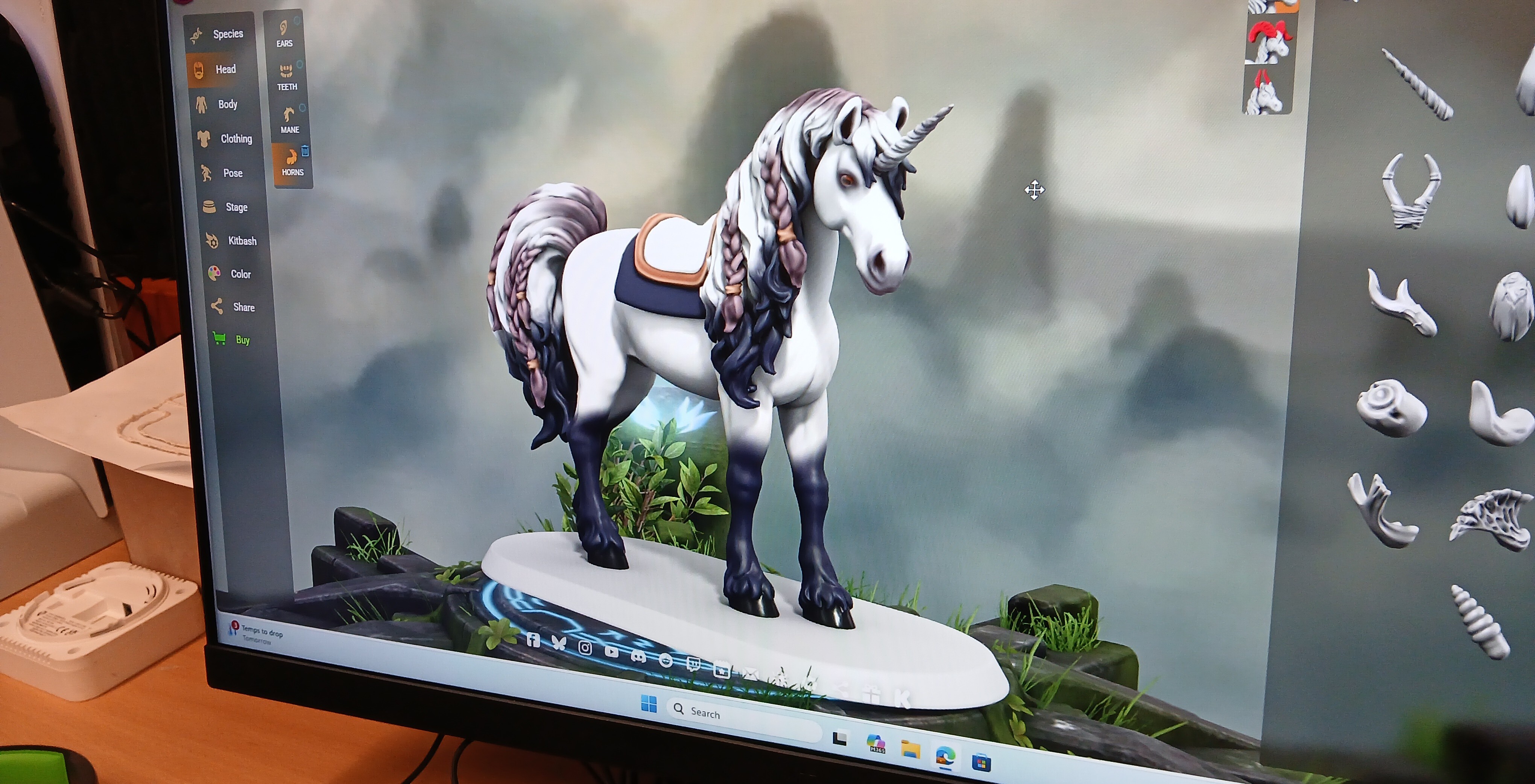
Image: By Hopewell School showing an example of character and game-design work, where students develop stories and characters before moving into 3D character creation, movement and digital environments, with opportunities to explore how their creations can then be placed into scenes using immersive and augmented-reality technology.

Comments & Replies