In the final post of her mini-series about planning and delivering the Bronze and Silver Arts Award levels, Sara Jane Datta, Head of Art at Trinity Champion Centre Alvechurch C of E Middle School goes through the last few stages of delivering the Awards; from deadlines, to final portfolio checks, assessment, and enrolling to young people finally achieving their certificate alongside acknowledgement of all their hard work.
One of the main jobs we have as Arts Award advisers is to see young people through to the successful completion of the Award. And I have found the final stage of Arts Award is always the busiest part of delivery. Upcoming deadlines, portfolio checklists and regular reminders all help young people successfully complete their arts journeys before their final portfolio hand-in. As I deliver both Bronze and Silver Arts Award in my setting, the deadlines for portfolio completion are slightly different, to allow submission to be as effective and smooth as possible.
Bringing Bronze together
I always set the Bronze portfolio completion deadline to land a few weeks before Silver; this allows me to stagger the assessment workload and gives me the appropriate level of time needed for them both. With Bronze, there is always a mix of approaches young people take when working towards finishing their portfolios. Some work through each part methodically in order, whereas others jump around a bit depending on what inspires them first. I encourage my young people to work through the award in a way that makes sense to them – as long as the evidence is clear and it can be located easily!
One aspect I consistently remind pupils about during delivery, and especially towards the end, is Part B, ‘Explore the arts as an audience member’. In my experience, the one aspect that sometimes catches pupils out is where young people need to share their reflections with others. From delivering Arts Award for over a decade, I have learnt that this part needs continual emphasis if it is not to be overlooked; not just because it’s a requirement but also pupils benefit from having these creative discussions and sharing their work with someone else. The value and impact of these conversations shouldn’t be undervalued and extends far beyond simply meeting the Bronze requirements and assessment criteria.
Showing pupils examples of how to share is an excellent way to get the message across. In our school a popular way of sharing is by posting the review on the Arts Award Voice website, so it has the opportunity to reach a wider audience. One pupil this year shared her review with her trusted adult in school, which was a particularly lovely moment as it engaged this trusted adult with the experience this young person had and provided an opportunity for meaningful praise. I have seen young people share Part B with their classmates as a PowerPoint, or ask their best friend to look at this part of their portfolio and write their opinions. Some also share with family members at home.
If they have experienced an arts event by a specific artist, I have seen young people share their review with the artist themselves and ask for their views of it, which is an excellent way to connect their experience and create wider understanding. This demonstrates the various ways young people can access creative conversations.
Showcasing silver
The deadline for my Silver Arts Award pupils to finish their portfolio is later than Bronze, to give them the most time possible. There are aspects of Silver that feel familiar to young people (like Unit 1 Part C, Review arts events), and other aspects they find more challenging where they are developing new skills. In my experience, Unit 1 Part D (Arts research) is one element that really challenges pupils, but also broadens their horizons as they reach out to arts practitioners to learn about their career development and work, and find out about career and education pathways they could follow themselves. The research element of this part is also really helpful for many pupils as it can help aid their decisions about which GCSE subjects to choose - many Arts Award pupils choose to study GCSE Art. Pupils can also make informed choices about where the arts might lead them. Having the opportunity to work alongside arts practitioners is an extraordinary opportunity that has transformative effects on our Arts Award pupils.
From delivery to assessment
As the deadline for pupils to complete their portfolios approaches, my role changes focus from delivering sessions to portfolio assessment, to ensure all the evidence is present and meeting the evidence requirements and assessment criteria. My students are given clear deadlines, and I build time into my programme for final conversations and implementation of any advice I might give them about gaps in evidence. These conversations often help pupils strengthen their portfolios and it gives them a greater understanding of what they are doing and why.
Staying organised
Over the years, one thing I have learnt is that staying organised makes the assessment of portfolios more manageable and run smoother. I find keeping my own paper spreadsheet essential so when I am assessing and offering those final pieces of advice, I can keep track of where each young person is, where there are gaps in evidence, and who has completed their portfolio. I always download the Arts Award enrolment and marks spreadsheet ahead of time, which is easy to fill in with details of the young people and the marks you’ve given them for each part. If you do experience any problems, you can email the operations team on ArtsAwardOrders@trinitycollege.com.
Crossing the finish line
One of my favourite parts of being an Arts Award adviser is seeing my young people achieve their Arts Award. Behind every Arts Award certificate earned is months of hard work, creativity and reflection. The time young people dedicate to their creative journeys and the standards they consistently reach delights and surprises me – honestly it leaves me in awe. It is a privilege to be the person to guide them through the process, and to see the happiness they feel when they achieve a pass. There is also a sense of relief that all of their hard work has paid off, and as an adviser it’s an incredible feeling to celebrate their successes.
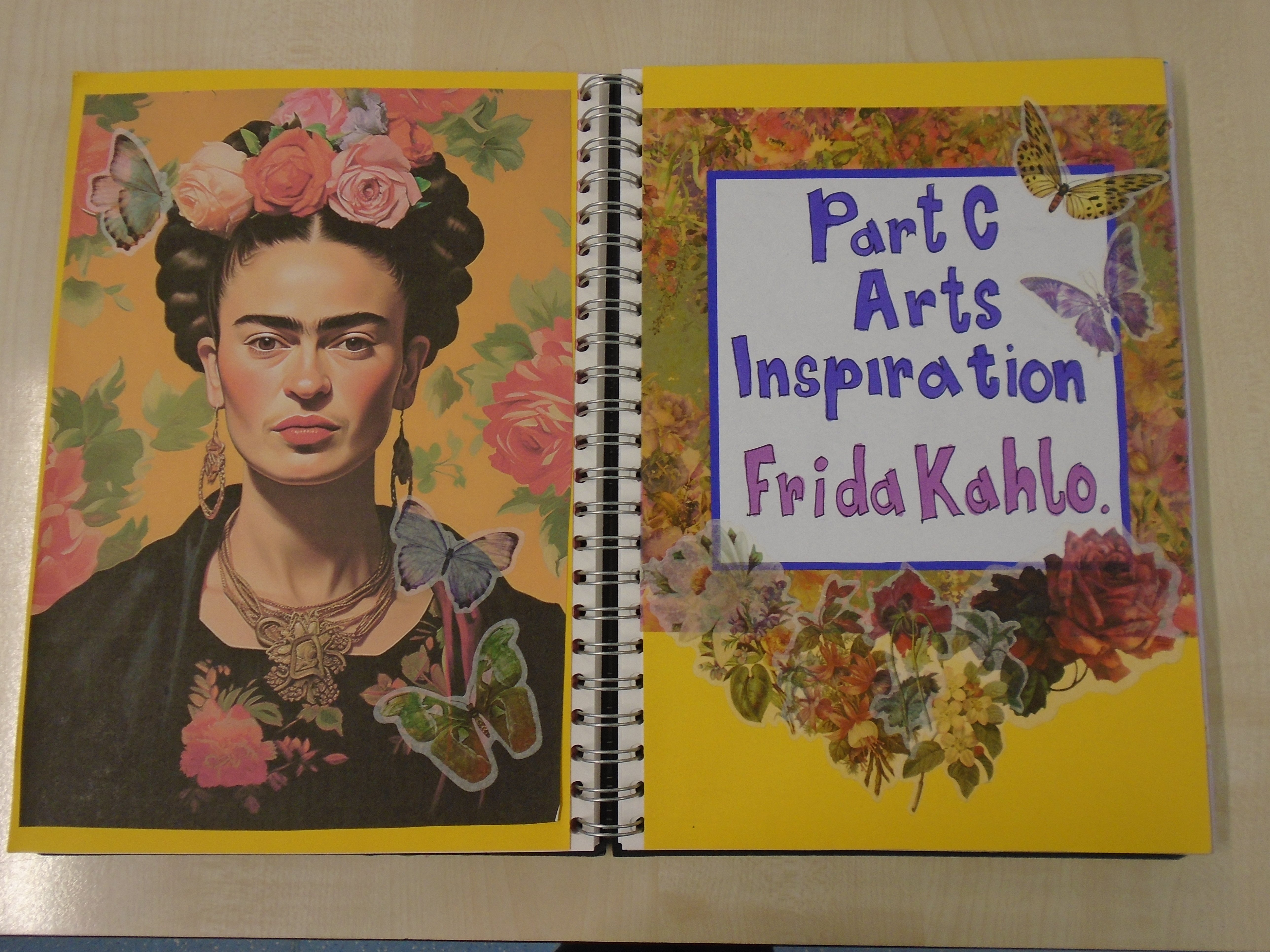
Photo by Alvechurch C of E Middle School, pages from Part C of a pupil's Bronze portfolio





Comments & Replies