Following on from her blog post in January about planning Bronze & Silver Arts Award delivery as an extra-curricular activity, Sara Jane Datta, Head of Art at Trinity Champion Centre Alvechurch C of E Middle School describes the support she offers her pupils when they’re in the depths of their Arts Award projects and creative journeys.
There’s always a buzz of excitement when Arts Award delivery begins! For both Bronze and Silver levels, I always start delivery by giving my pupils information: it’s crucial for them to understand each part of the award to gain the most out of the experience. The Bronze and Silver hubs on Arts Award Voice are fantastic resources for this. I combine the downloadable materials into a booklet, so pupils have everything in one place, and the evidence checklists in the adviser resource library are invaluable for helping them see from the start what evidence they need in their portfolios.
Bespoke support
For Bronze level this year I have 30 pupils, which is a large group, but they are all exceptionally motivated. I am also working with a record-breaking 16 Silver pupils — the largest group I’ve ever had! Those numbers have shaped how I deliver both levels, ensuring support is tailored to the group’s needs.
Protecting time during the school week for my pupils to take part is important, which is why I offer Arts Award outside of the curriculum, so they can have dedicated Arts Award time. I do also offer my Silver pupils the option of bringing their portfolio into their timetabled art lessons, in case they need to discuss anything with me that we didn’t get a chance to during the extra-curricular session. This has proven to be a useful element of my practice and offers enhanced support to the Silver pupils.
Portfolio planning
Pupils structure their own Arts Award portfolios, which is an important step for both levels, but especially for Silver. I help them plan out what an effective timetable for completing a Silver portfolio would look like to distribute the work across the time they have available, and make sure their ambitions are manageable and realistic.
Once they have decided on their Unit 1 arts challenge (Part A - Plan an arts challenge and Part B - Implement and review the arts challenge), I encourage them to start thinking about Part C (Review arts events) & Part D (Arts research) ahead of time – especially Part D. In my experience this part requires a high level of planning as it involves looking at education and career pathways, including making contact with arts practitioners.
If Part D is given the necessary time and attention then it has the most effective impact on my pupils; leaving it too late can diminish its value. Those pupils who make successful connections with arts practitioners gain a lot from the experience. In last year’s cohort, one of my pupils was in contact with an architect in Barcelona whose work they loved, which was an amazing experience for this young person to have.
Creative conversations and enquiring minds
One of the most powerful elements of Arts Award delivery is the quality of conversations you can have with your pupils. In my Bronze cohort this year, one pupil told me about working on Part B (Explore the arts as an audience member) during a half-term trip to London with his family. They visited the National Gallery to see ‘Sunflowers’ by Vincent van Gogh. In that moment I realised the incredible reach Arts Award experiences can have on the young people taking part. It also highlights the important role Arts Award plays in bringing new audiences into our galleries and museums.
Questions are a vital part of Arts Award delivery. As my pupils make progress on their individual creative journeys, curiosity about ideas, methods and techniques is encouraged at every stage. As an Arts Award adviser, our role is to guide pupils towards successfully completing their Award and our support during the delivery stage is essential. Each week, my pupils spend time with me in their sessions discussing their artwork and exploring any questions they may have about their creative choices. If I’m ever unsure of an answer, I turn to the Arts Award team at Trinity College London for guidance—their support team provide information and clarity which helps pupils make confident decisions about how to move their ideas forward.
Lights, camera…. Portfolio!
Supporting pupils through their Arts Award journey means always knowing where they are in terms of their progress through the different parts of the award, no matter the level they are working towards. Therefore, regularly checking portfolio progress is incredibly important.
At the start of Bronze delivery, I ask pupils to fill out a document with their initial ideas, so I can see what they are thinking straight away. This allows me to keep a record, which is especially useful if their ideas don’t fit or they might not be suitable for that particular part. I find having the Arts Award enrolment and marks spreadsheet to hand from the start incredibly helpful to keep track of pupil’s progress and it allows me to focus on the elements of their portfolio that are not complete as we move forward.
With the Silver level, I check portfolios regularly. I find with this level it is important to emphasise the detail they need to include in their portfolio to showcase their talents and allow them to develop their thinking. It’s all about making it the most meaningful experience for the individual as possible. I really encourage pupils to be mindful of creating the right sort of evidence for their portfolios too: I advise my pupils to imagine someone unconnected to their project looking at their portfolio – would they understand each element from their planning, doing and then reviewing? And if not, what could they amend or add so their evidence is clearer.
Reflections
A key element of Bronze and Silver Arts Award is giving young people the space to reflect on what they’ve learned throughout their journey. Encouraging pupils to look back on their experiences with a supportive, critical eye deepens their understanding and enriches the overall experience. When they feel confident reflecting without fear of being ‘wrong’, the impact extends far beyond their portfolio-building skills that are especially valuable as they progress into GCSE study and beyond.
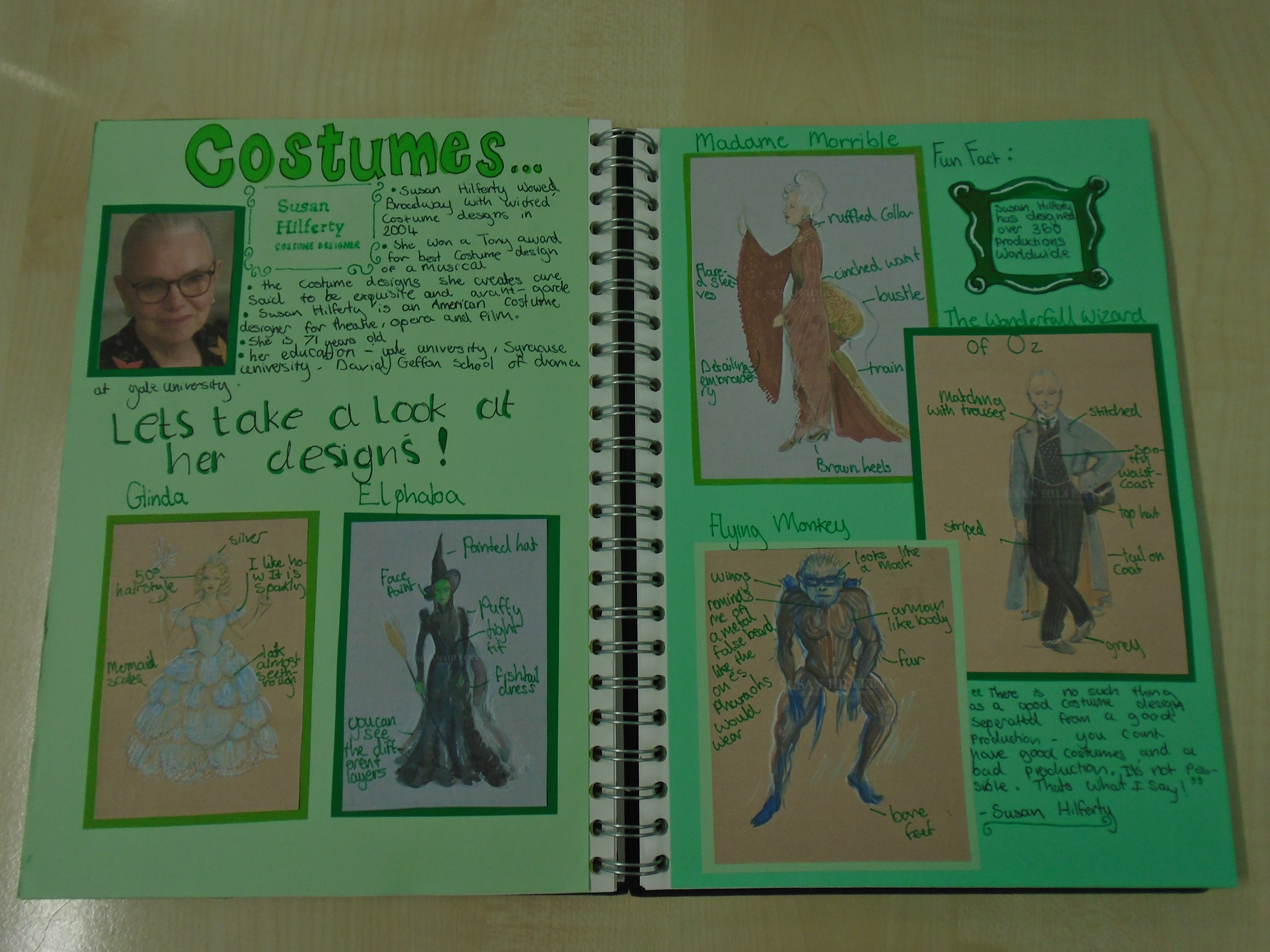
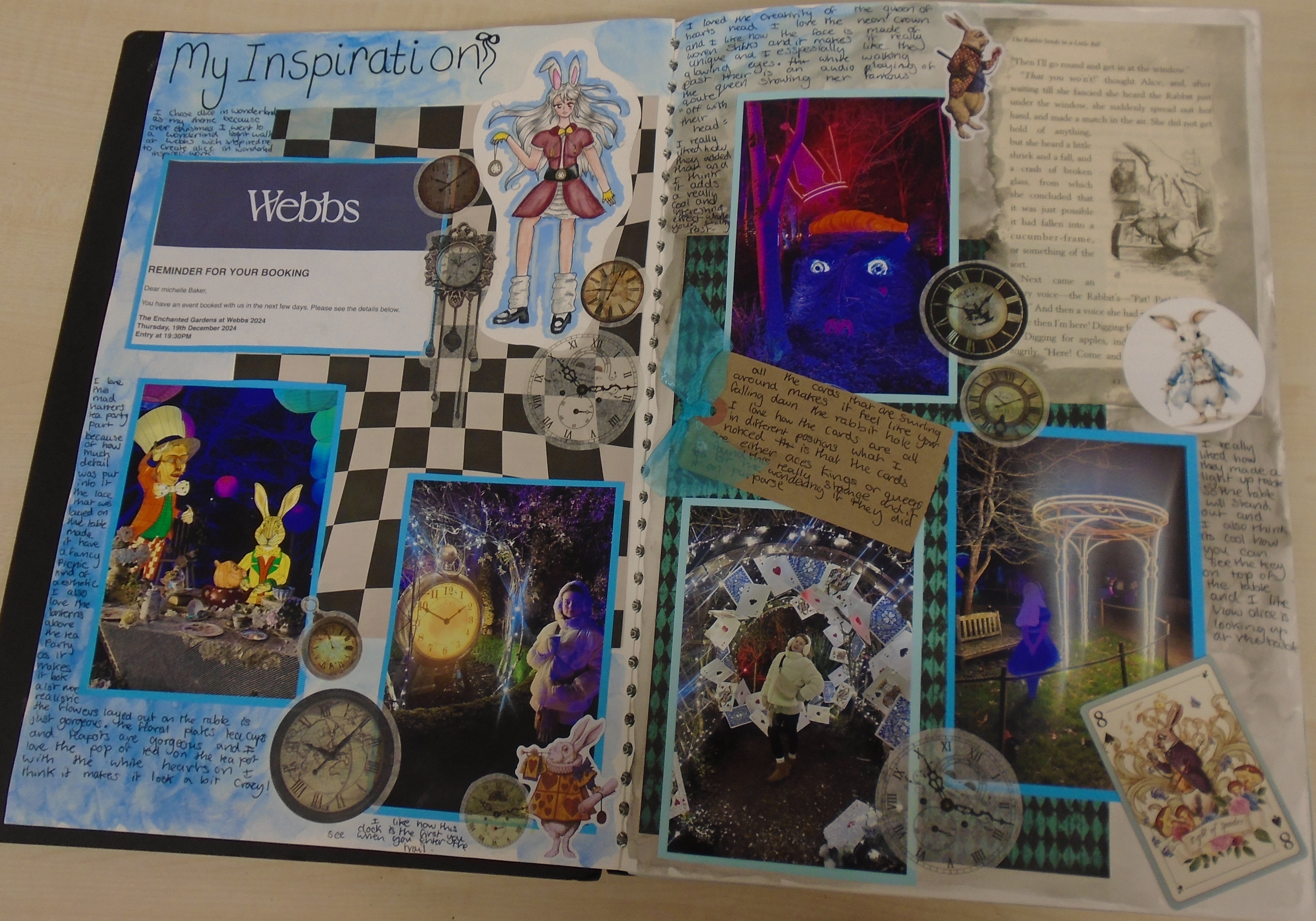
Photo: By Alvechurch C of E Middle School, extract from Silver Arts Award portfolio by Mollie-May






.jpg)
Comments & Replies